Trends
WWOOF Korea Guide: Help on a Farm for Room and Board This Autumn (Fees and How to Apply)
AT A GLANCE
- What
- Help on an organic or eco-friendly farm in exchange for room and board
- Korean operator
- WWOOF Korea (wwoofkorea.org)
- Fee
- Membership 50,000 won, valid 5 years (per a January 2025 report; recheck before paying)
- Work hours
- About 4–6 hours a day (varies by farm)
- How to apply
- Join, pick a host farm, contact them via the form, host confirms
WWOOF is a way to help on an organic farm for about 4–6 hours a day in return for a bed and meals. In Korea you join WWOOF Korea, pick a farm and contact the host yourself. Here’s what it costs, how to apply and what to check first. Checked on: 2026-10-14
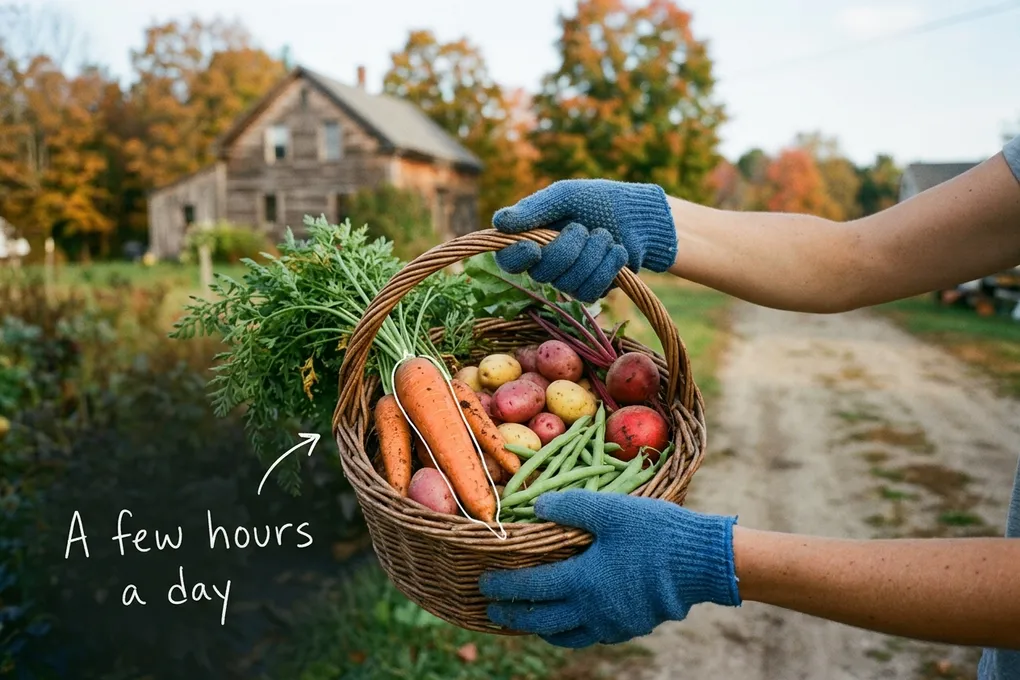
The hero image is AI-generated and is not a photo of a real farm.
What is WWOOF?
WWOOF stands for “Worldwide Opportunities on Organic Farms.” It began in the UK in 1971 and now runs in about 150 countries. Volunteers are called “WWOOFers” and the farms are “hosts.”
- A WWOOFer helps with farm work for roughly half a day, 4–6 hours.
- The host provides a place to sleep and meals.
- It’s an exchange of labor for room and board, so it isn’t a booking or a regular job.
How to apply with WWOOF Korea
- Join: pay the membership fee on the WWOOF Korea website. Per a January 2025 report, it is 50,000 won and lasts five years.
- Pick a host: read each farm’s crops, tasks and lodging, then choose.
- Contact: send your request through the form on the site.
- Confirmation: the host reviews your details and decides. If accepted, they email you confirmation and instructions.
The number of hosts is described differently across reports (46 farms, about 60).
 For a first time, try 2–3 days. See how it suits you before staying longer.
What the host list shows
According to Sidae, once you join you can browse hosts, and each host page covers:
- Farm type and main crops
- Organic farming and eco-friendly habits in daily life
- Who and what animals you’ll live with
- The languages the host uses
- Working hours and lodging
- How meals are provided
- Things to check before getting in touch
As of that report, 46 farms from Gyeonggi to Jeju took WWOOFers. The membership works only in Korea. To volunteer abroad you join that country’s WWOOF separately.
What goes in the application
The website form asks for personal details and companion information, a self-introduction, restrictions such as food, religion or medication, and a photo of yourself. The host reviews it and decides. Exchange matters to hosts, so they look at whether personality and eating habits fit. If accepted, you get an email confirming availability and details.
How long can you stay?
- Individual WWOOF: hosts usually prefer long stays of two weeks or more. Year-round participation is possible, and foreign participants often stay one or two months.
- Group WWOOF: a weekend trip of 2 nights and 3 days for several people at a farm. Non-members pay 20,000 won and members pay nothing extra. It isn’t open all the time, so apply to match the schedule. Group WWOOF for schools and organizations takes 5 to 100 people.
WWOOF Korea and its hosts
According to the Seoul 50+ Portal, WWOOF Korea is a nonprofit association that helps people who want an eco-friendly life connect, and it handles host screening and management and supports communication between WWOOFers and hosts. Hosts must be organic farms that use no pesticides and pass a screening every year. Participants range from their 20s to 60s, and over 60% of WWOOFers come from abroad. Satisfaction is said to be high among middle-aged and older people planning to move to the countryside or wanting to rest in a rural setting.
Checklist before you go
- Work and hours: harvesting, weeding or caring for animals depends on the farm, so ask.
- Lodging: a private room or shared space?
- What to bring: clothes you don’t mind getting dirty, boots or sneakers, gloves, a hat and sunscreen.
- Getting there: many farms are far from public transport. Check how to reach them from the nearest station or bus terminal.
- Safety: share your schedule and the farm’s location with someone.
- Availability: a host’s posted dates can differ from reality, so ask if they’re accepting guests now.
Who it suits
- Good fit: people who want physical work outdoors, daily life with a farm family, or a look at organic farming
- Think twice: people who want a relaxing holiday, dislike bugs and dirt, or need a packed schedule
For small-town trips, see Gochang old town food trail and Korea’s half-price travel program.
Sources (checked on 2026-10-14)
- Sidae, WWOOF experience, 2025-01-31: fee, steps, hours, room and board, host count
- Seoul 50+ Portal, WWOOF intro: definition, start year, countries, WWOOF Korea