Trends
Model Car Hobby Guide: Diecast, Kits, Mini 4WD and R/C, Plus Korea's Tamiya Asia Cup 2026 Wins
AT A GLANCE
- Diecast
- Cast-metal body, usually sold ready to display
- Kit
- Parts you assemble yourself; some for display, some motorized
- Mini 4WD
- Small motorized cars built from kits that run on tracks (Tamiya official guide)
- Event
- Tamiya Asia Cup 2026, Sept 11–13, Bangkok; Korean racers won most classes
“Mini car” is a broad word in Korea for small toy and model cars, but it covers several hobbies. A diecast model is for display, a kit is for building, and a motorized kit can race on a track. This guide explains the differences and what to check before buying, and notes how Korean racers did at the Tamiya Asia Cup 2026. Checked on 2026-10-12.
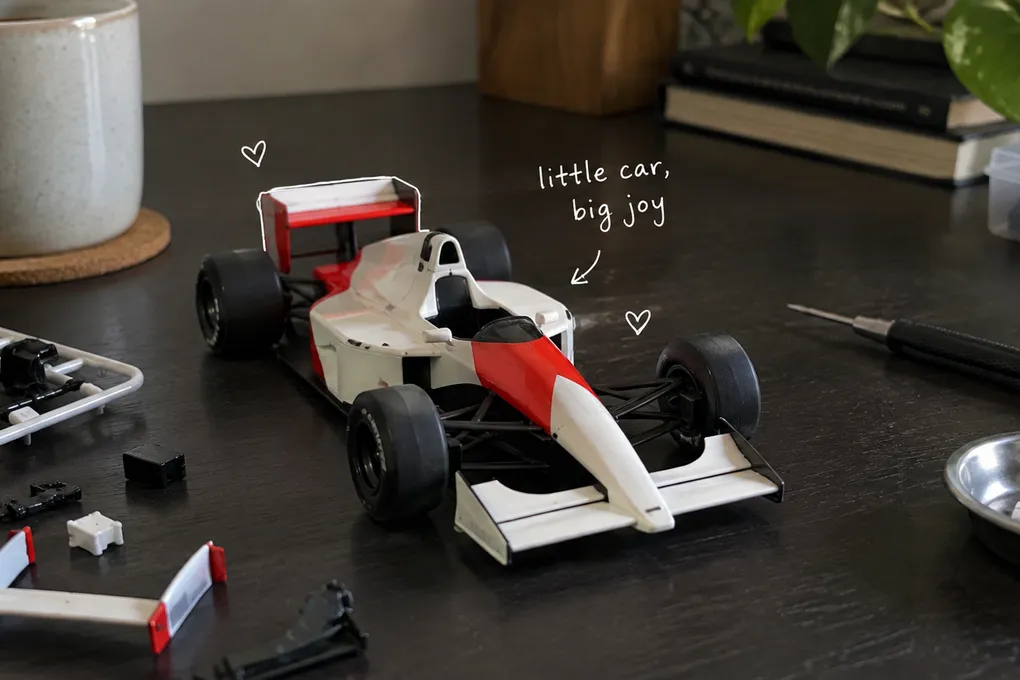
The hero image is AI-generated and shows an imagined model-car scene, not a real product.
The four types
- Diecast model: The body is cast metal and the car is usually sold assembled for display. Check the scale (size ratio) and whether parts open or move.
- Build kit (static): You put plastic parts together, often with glue and paint. The result is a display model.
- Mini 4WD: Small motorized cars built from kits, made to run on special tracks. Tamiya’s official guide describes a hobby with almost limitless upgrading, with motors, gears, tires, rollers, brakes and bodies you can swap (Tamiya Mini 4WD setup guide).
- R/C car: A car you steer with a radio controller. This is a separate hobby from Mini 4WD cars, which run on a track without a remote.
An F1 display model and a motorized Mini 4WD kit are very different purchases, so decide first whether you want to look at it, build it or race it.
What to check before buying
- For display: size, scale and whether the model comes assembled.
- For building: the list of tools and any parts sold separately.
- For Mini 4WD: the chassis type. Tamiya says rear-motor, front-motor and midship chassis need compatible parts, and it offers a Chassis Guide for checking. Its official race rules limit total width, including rollers, to 105 mm. Tamiya also suggests starter packs for beginners.
- For F1 fans: check the year and model details. A similar color does not make it the same car as a particular team’s car that season.
Korea at the Tamiya Asia Cup 2026
The Tamiya Asia Cup 2026 was held September 11–13 at M Grand Hall, The Mall Lifestore Bangkapi in Bangkok. More than 90 racers competed in five R/C classes. The champions listed are Park Sang Hyun (Jr. class), Choi Won-Ik (Super Stock), Lee Seon Gu (M-Chassis) and Kwon Do Hyuk (4WD GT) from Korea, and a Thai racer in the Buggy class. Winners in Super Stock, 4WD GT and M-Chassis earned tickets to the Tamiya R/C World Championships 2026 in November (Tamiya report). This event covered R/C classes, not Mini 4WD.
Good for / not for
Good for
- Anyone choosing a first model car and unsure which type fits
- F1 fans who want a desk model, or builders who want a kit
Not for
- Anyone looking for Korean race schedules.
FAQ
What is the difference between diecast and a kit? Diecast models are usually sold ready to display. Kits come in parts that you assemble.
Do Mini 4WD cars need a remote? No. Mini 4WD cars run on a track on their own. R/C cars use a remote.
Where can I find beginner parts? Tamiya’s guide recommends starter packs. Check compatibility with your chassis before buying parts.
Sources
- Tamiya, Mini 4WD setup guide https://www.tamiya.com/english/mini4wd/setupguide/setupguide.htm
- Tamiya, Asia Cup 2026 report https://www.tamiya.com/english/newstopics/2026/TAC2026/report.html
Checked on 2026-10-12. Product availability and prices vary by seller. The type descriptions for diecast and static kits are general explanations, not from a single source.